Archives
- 2026-04
- 2026-03
- 2026-02
- 2026-01
- 2025-12
- 2025-11
- 2025-10
- 2025-09
- 2025-03
- 2025-02
- 2025-01
- 2024-12
- 2024-11
- 2024-10
- 2024-09
- 2024-08
- 2024-07
- 2024-06
- 2024-05
- 2024-04
- 2024-03
- 2024-02
- 2024-01
- 2023-12
- 2023-11
- 2023-10
- 2023-09
- 2023-08
- 2023-07
- 2023-06
- 2023-05
- 2023-04
- 2023-03
- 2023-02
- 2023-01
- 2022-12
- 2022-11
- 2022-10
- 2022-09
- 2022-08
- 2022-07
- 2022-06
- 2022-05
- 2022-04
- 2022-03
- 2022-02
- 2022-01
- 2021-12
- 2021-11
- 2021-10
- 2021-09
- 2021-08
- 2021-07
- 2021-06
- 2021-05
- 2021-04
- 2021-03
- 2021-02
- 2021-01
- 2020-12
- 2020-11
- 2020-10
- 2020-09
- 2020-08
- 2020-07
- 2020-06
- 2020-05
- 2020-04
- 2020-03
- 2020-02
- 2020-01
- 2019-12
- 2019-11
- 2019-10
- 2019-09
- 2019-08
- 2019-07
- 2019-06
- 2019-05
- 2019-04
- 2018-11
- 2018-10
- 2018-07
-
The first phase of insulin secretion is
2021-10-13
The first phase of insulin secretion is due to calcium signaling because of glucose sensing, increased cytoplasmic ATP levels, cellular depolarization, calcium influx and activation of calcium sensing molecules that eventually causes the fusion of the insulin granules to plasma membrane (exocytosis)
-
br Conclusion In conclusion our results
2021-10-13
Conclusion In conclusion, our results demonstrate that incubation of both LAD and SCA rat coronary arteries rapidly increases the ETB receptor-mediated contraction as well as upregulation of ETB receptor protein levels. These findings may have important experimental implications in tissue bath ex
-
Cyanine 3-dUTP br Material and methods br Results br Discuss
2021-10-13
Material and methods Results Discussion In vitro testing is necessary to study DAA activity and putative RASs. Compared to enzymatic assays and replicons, HCV infectious culture systems reflect the full viral life cycle and previous results in these systems reflected clinical data.[13], [14
-
In conclusion we have identified ten novel
2021-10-13
In conclusion, we have identified ten novel GPCR genes and a pseudogene. Transcripts for GPR78, GPR81, GPR94, GPR95, GPR101, GPR103 and P2Y were detected in various CNS and peripheral tissues. Given the high levels of identity observed within paralogous oGPCR gene clusters, future efforts will likel
-
Indeed it was shown further
2021-10-13
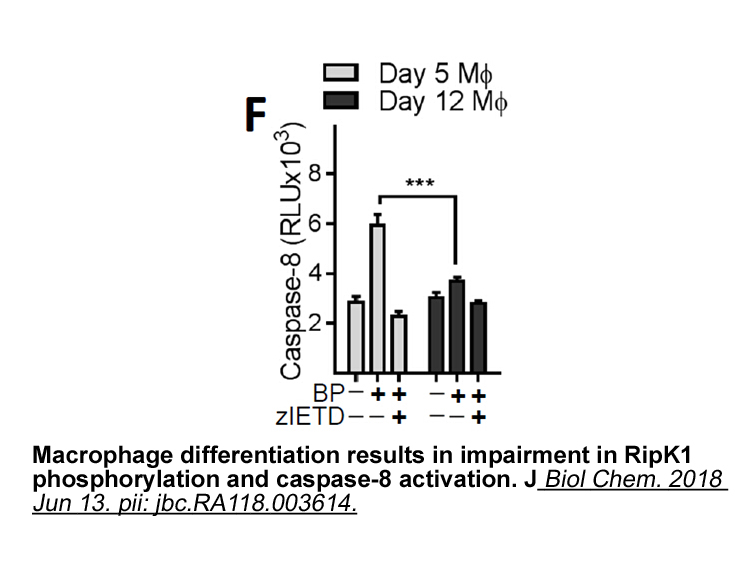
Indeed, it was shown further in VSV G that the H80A mutation, and the E123L and D121L double mutation, which both abolish VSV G fusion properties, were rescued by the same compensatory Q112P mutation. In a single FD, residue 112 is located on the opposite side of the three-stranded β-sheet and is fa
-
br NMDA receptor LBDs The
2021-10-13
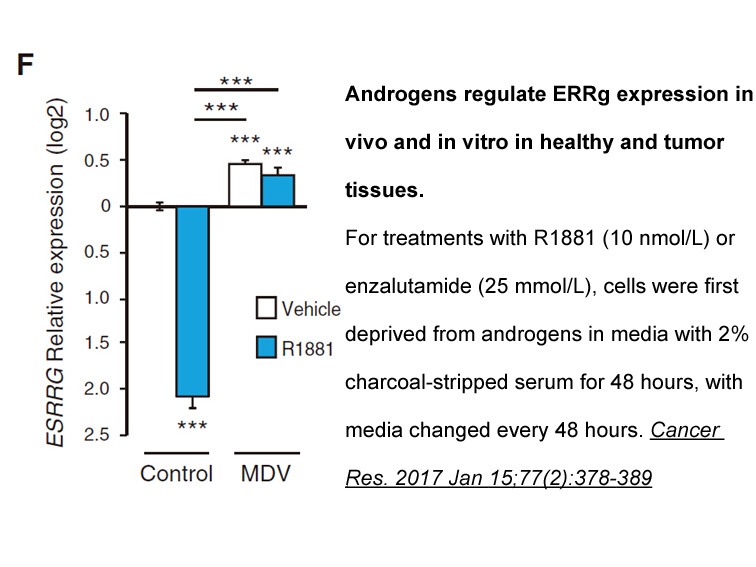
NMDA receptor LBDs The study of GluA2 was later expanded to include NMDA receptors [22]. NMDA receptors are obligate heterotetramers that are composed of two glutamate-binding subunits and two glycine-, or d-serine-, binding subunits. In this study, crystal structures of the NMDA receptor glycine
-
Peripheral injury or disease induced alterations in synaptic
2021-10-13
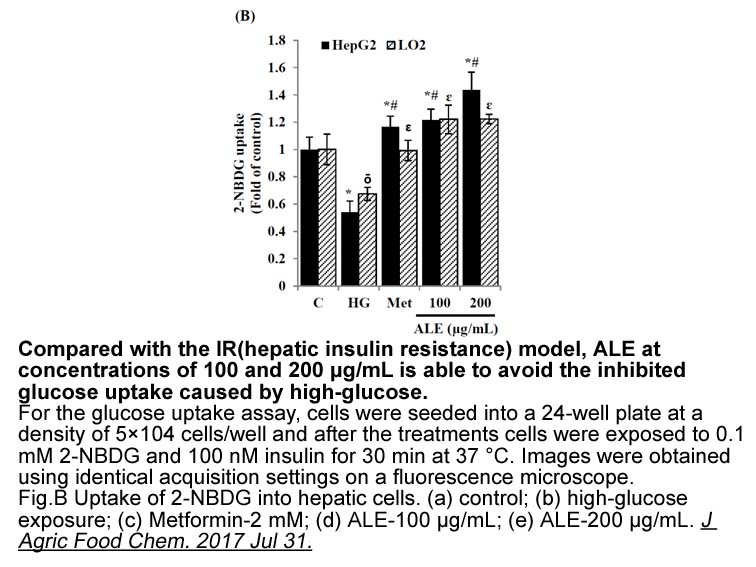
Peripheral injury- or disease-induced alterations in synaptic efficacy occur not only at the first synapse made by the primary nociceptive afferents in the spinal dorsal horn but are also operational in several regions processing the sensorimotor as well as emotional-affective components of pain, su
-
br Experimental Procedures br Acknowledgments This work was
2021-10-13
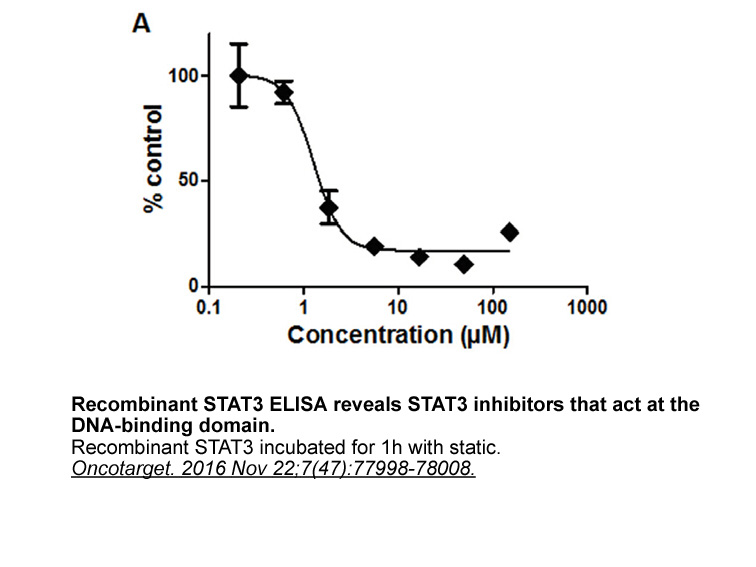
Experimental Procedures Acknowledgments This work was supported by NIH/National Human Genome Research Institute (NHGRI) R00 HG006922 and NIH/NHGRI R01 HG008974 (to J.G.), the Huntsman Cancer Institute, and the Women’s Cancers Disease-Oriented Team at the Huntsman Cancer Institute. Research rep
-
Methoxyflavone and methoxyflavanone Fig both act as flumazen
2021-10-13
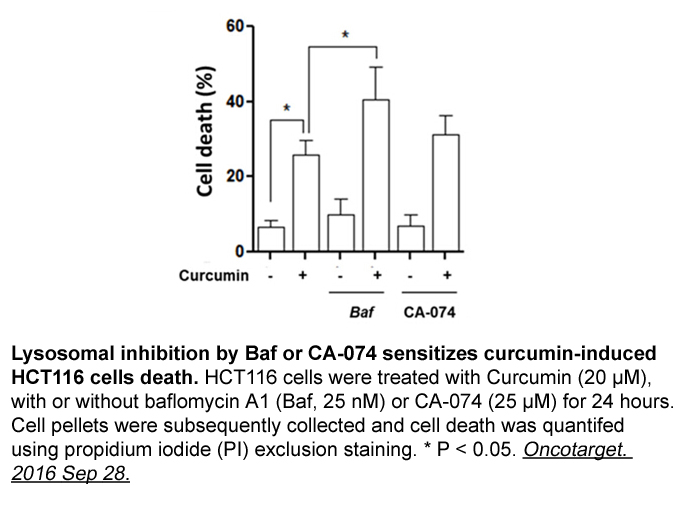
6-Methoxyflavone and 6-methoxyflavanone (Fig. 2) both act as flumazenil-insensitive positive allosteric modulators of GABA responses at human recombinant α1β2γ2L and α2β2γ2L GABAA receptors. However, unlike 6-methoxyflavone, 6-methoxyflavanone was relatively inactive at α1β2 GABAA receptors. Both fl
-
In this study it was demonstrated that also in mice
2021-10-12
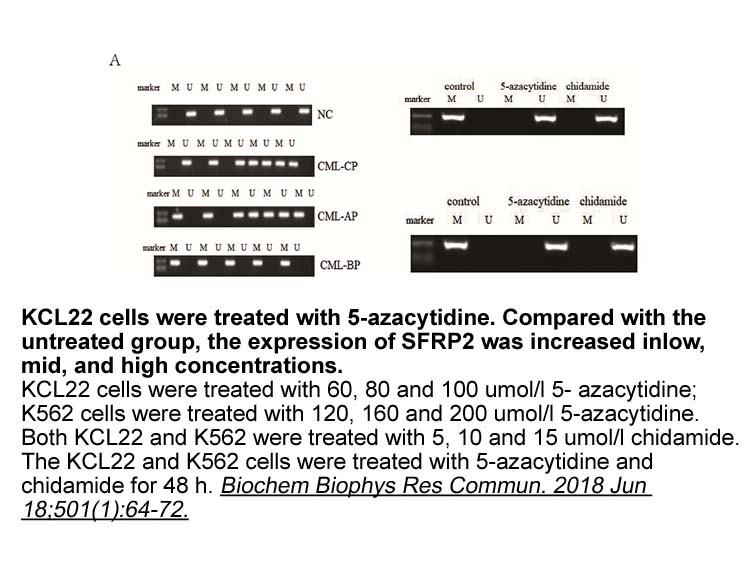
In this study it was demonstrated that also in mice chronically exposed to CS, lung inflammation persists after SC and is associated with a progressive alveolar loss and remodeling of respiratory tract, characterized by the onset of bronchial and bronchiolar GCM and peribronchiolar fibrosis. Persist
-
It has been reported that the
2021-10-12

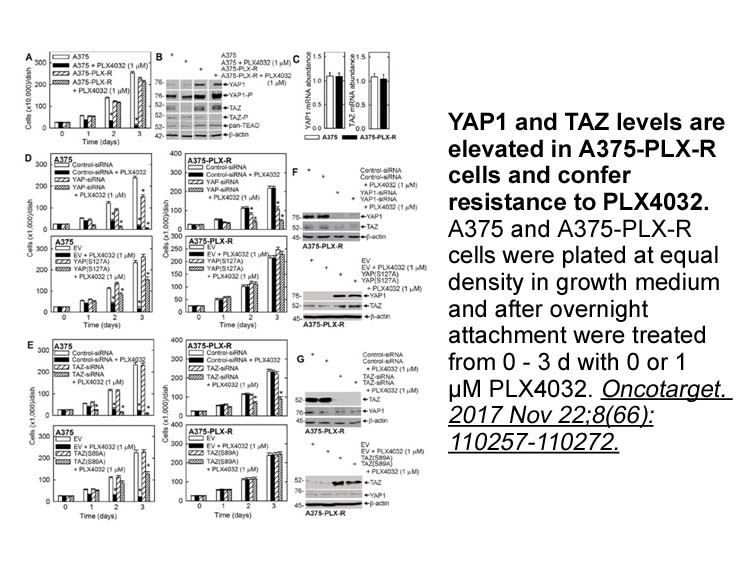
It has been reported that the pathway upstream of YAP phosphorylation is operative in a tissue or context-specific manner. LPA or S1P bound to their corresponding membrane GPCRs and act through Rho GTPases to activate YAP/TAZ [11]. Consistently, another report showed that activation of PAR1 (a GPCR)
-
br Significance Metabolites present in
2021-10-12
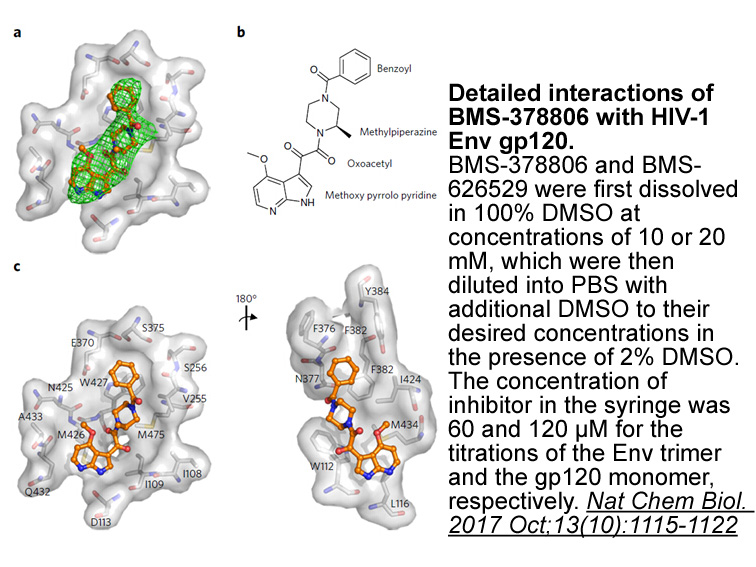
Significance Metabolites present in the extracellular environment can potently modulate cellular phenotypes and potentially serve as therapeutics for various diseases. Ferroptosis is a non-apoptotic cell death process characterized by the generation of toxic lipid reactive oxygen species (ROS). I
-
The urea derivatives a e were
2021-10-12
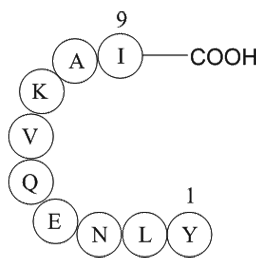
The urea derivatives 7a–e were obtained from 1-(3-phenoxybenzyl)-piperazine (6) by reaction of isocyanate, or triphosgene and subsequent reaction of produced carbamoyl chloride with the amine RH as shown in Scheme 2. The imidazole urea 7g was prepared by reaction of 6 with 1,1′-carbonyldiimidazole.
-
We examined the expression of notch in the brains of
2021-10-12
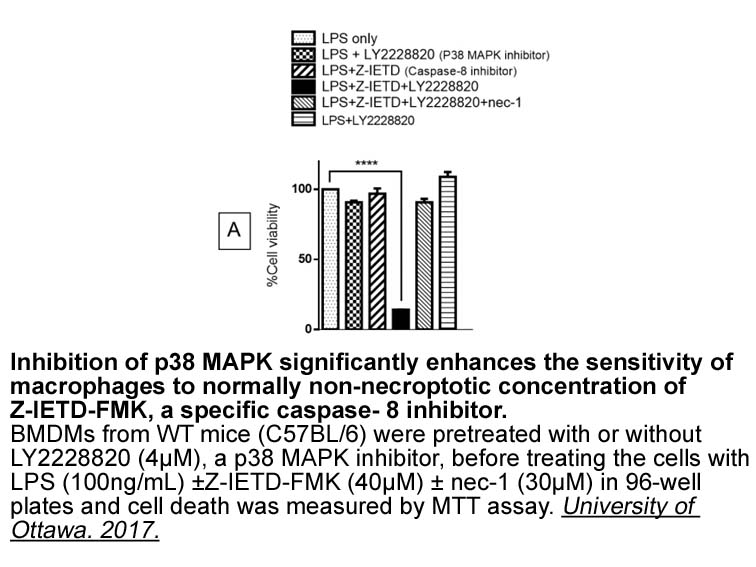
We examined the expression of notch-1 in the brains of mice following morphine or oxycodone tolerance. The results showed that notch-1 levels did not change following morphine or oxycodone tolerance, with or without the treatment of IRL-1620. This indicates the possibility that morphine or oxycodone
-
Introduction Thrombotic disorders including ischemic heart d
2021-10-12
Introduction Thrombotic disorders including ischemic heart disease, deep venous thrombosis, and ischemic stroke represent one of the most common causes of death in the world [1]. All these conditions relate to states accompanied by a shift of hemostasis balance into a coagulation side because of va
16141 records 575/1077 page Previous Next First page 上5页 571572573574575 下5页 Last page